
Dental Implants Stevensville
The Closest Thing to Natural Teeth
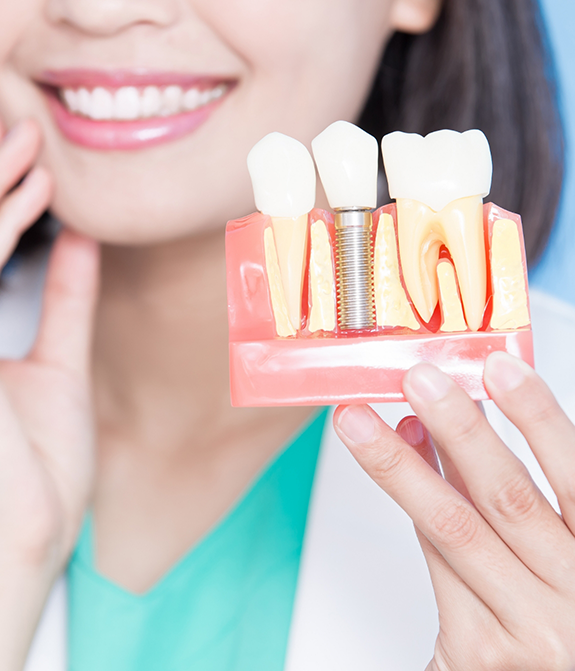
When it comes to replacing missing teeth, there are many different options available; however, only one is considered far superior by dentists and researchers alike – dental implants in Stevensville. Offering maximum durability and strength, they are the closest thing to natural teeth you can get. Their look, feel, and ability to restore bite power make them a one-of-a-kind solution that is worth the investment. Give our office a call today if you would like to learn more about how you can achieve a fully restored smile with dental implants.
Why Choose Keep Smiling Dental for Dental Implants?
- Dentist Works with Local Specialists for Placement
- Panoramic Scanner for Dental Imaging Accuracy
- Zirconia or Porcelain Dental Restorations Available
What are Dental Implants?
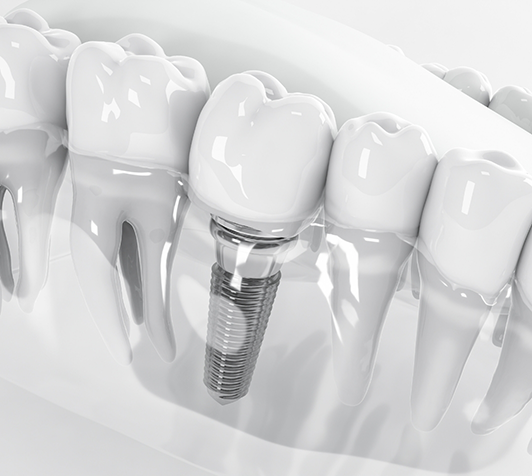
Dental implants are biocompatible restorations that mimic natural tooth roots. Made from titanium, they fuse with the jawbone when placed, allowing for a stable base that supports a custom-made dental crown, bridge, or denture. These prosthetics are different than dentures and dental bridges because they go beneath the gumline to restore more than just the visible crowns of missing teeth. They effectively rebuild them from the roots up, delivering stronger, longer-lasting results.
The 4-Step Dental Implant Process
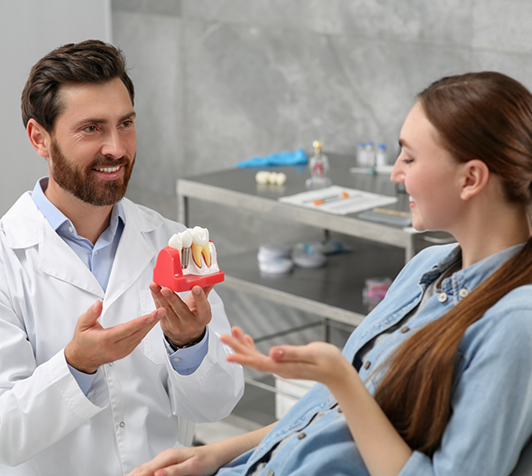
There are four main steps required as part of the dental implant process: initial consultation, dental implant surgery, osseointegration/abutment placement, and delivery of the final restoration. At Keep Smiling Dental, Dr. Mularczyk partners with local implant specialists so that your new teeth are properly placed for maximum support and stability. To get a better idea of what you can expect from each of the four steps, keep reading.
- Initial Dental Implant Consultation – You will meet with Dr. Mularczyk to discuss your eligibility for dental implants and go over whether you need further treatment to address issues of gum disease, tooth decay, or bone loss.
- Dental Implant Surgery – We partner with local implant specialists who will carefully place your dental implants. Using local anesthesia, you will feel no pain while your posts are positioned within your jawbone, providing maximum support to your new custom restoration. Once finished, protective healing caps will be placed over the implants.
- Dental Implant Osseointegration/Abutment – After your dental implant surgery, you will return home to recover. The fusing of your dental implants with your jawbone will likely take 4-6 months to complete (this is called osseointegration) before you can have your metal abutments put into place. These small connector appliances hold your new restoration in place once it’s firmly attached.
- Delivery of Dental Implant Restoration(s) – The final step of the dental implant process is receiving your new crown, bridge, or denture. Depending on how many teeth you need to have replaced, we will determine which restoration is right for you. We will inspect your new teeth to ensure they look natural and feel comfortable once they are secured onto your implant posts.
Benefits of Dental Implants

Living life with dental implants is something millions of patients have chosen to do. If you are considering following in their footsteps, then you might find it helpful to learn about the countless benefits that come with this state-of-the-art tooth-replacement option. Fortunately, this section is dedicated to just that!
Day-to-Day Benefits

Here are a few noteworthy benefits of dental implants in Stevensville that you’ll notice once you’ve healed:
- They Restore the Strength of Your Bite – Although effective, traditional dental bridges and dentures aren’t able to restore much of your bite force. Dental implants, on the other hand, make it easy to eat the foods you love once again. In fact, you’ll have virtually no food restrictions with these prosthetics.
- They Look and Feel Natural – In short, dental implants are considered the closest thing to real teeth. There are a few reasons for this, starting with the fact that they replace the root and are secured to the jawbone. They are also topped with restorations that are custom-made, so they look and feel extremely natural.
- They Make Communicating Clearly Easier – Like many other patients, you may have had trouble enunciating clearly following tooth loss. Fortunately, dental implants can help! By filling the gaps in your smile, they can restore your self-esteem, your bite strength, and your normal speaking patterns.
Health Benefits

Addressing tooth loss with dental implants can also positively impact your oral and overall health in the following ways:
- Prevents Dental Drift – Dental drift may not seem serious, but it can throw off the entire alignment of your bite. This, in turn, can lead to chronic jaw pain and premature wear. The good news is that filling the gaps in your smile with dental implants can prevent that from happening!
- Allows You to Eat Nutrient-Dense Foods – We mentioned above that you’ll have virtually no food restrictions with dental implants. Not only does this make eating more enjoyable, but it also makes it easier to eat nutrient-dense foods, like broccoli, carrots, and apples.
- Prevents Bone Loss – Unlike other tooth-replacement options, dental implants are inserted directly into the jawbone. The stimulation that’s provided when you chew helps prevent bone loss and preserve your youthful face shape.
Long-Term Benefits

Rebuilding your smile with dental implants also comes with the following long-term benefits:
- A Long Lifespan – Dental implants are known to have a lifespan of 30+ years, which is considerably longer than dentures or dental bridges (they typically last less than 10).
- A High Success Rate – Upon initial placement, dental implants have a 95% success rate. It remains the same after 10 years if teeth are properly cared for during this time.
- They Are Easy to Maintain – Dental implants don’t require special products to keep them clean. In fact, you can care for them with your usual oral hygiene routine (i.e., brushing twice a day, flossing consistently, scheduling a dental cleaning twice a year).
Who Dental Implants Can Help
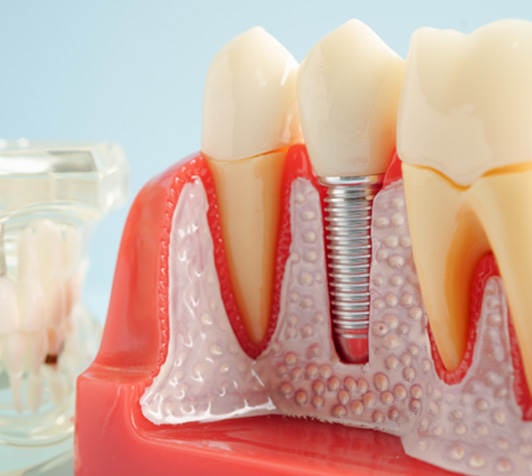
Dental implants are often lauded as the gold standard of tooth replacement, and they’ve been able to assist numerous patients with all degrees of tooth loss over the years. In fact, it’s estimated that around half a million dental implants are placed in the US each year! That said, you may be wondering if you’re a good candidate for the treatment. Here’s a closer look at how dental implants can help in a variety of situations.
Who Is a Good Candidate for Dental Implants?
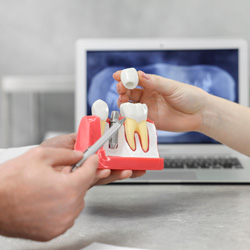
To be considered for dental implants in Stevensville, there are a few key qualifications that you’ll have to meet. The first has to do with your jawbone density; if you don’t have enough remaining bone tissue to house the implant posts, a supplemental bone graft might be needed beforehand to strengthen your jaw.
Similarly, if your mouth isn’t in decent health and you’re suffering from issues such as gum disease, you’ll need to undergo treatment first, since this condition can lead directly to implant failure when left unaddressed. During your consultation, Dr. Mularczyk will carefully evaluate your dental health and discuss your goals with you before coming up with a customized treatment plan.
Missing One Tooth
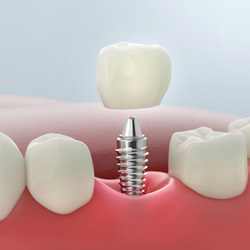
A single implant post can be used to restore just one missing tooth; the post is normally placed directly into the jawbone, underneath the gums where the tooth was lost. After it’s fused with your jawbone, we can attach a dental crown restoration on top. The crown will look, feel, and function exactly like your lost tooth—and this method doesn’t require any alteration to any existing teeth!
Missing Multiple Teeth
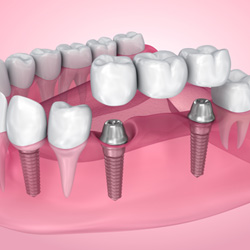
When replacing multiple missing teeth at once, we will take a conservative approach and only use as many implant posts as are necessary. In many cases, two dental implant posts can be used to support a dental bridge that replaces several missing teeth in a row, though the exact number of posts needed will depend on how many teeth are missing as well as where they were located.
Missing All Teeth
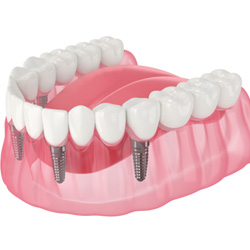
For patients without any remaining natural teeth, usually anywhere from four to eight strategically placed implant posts are all that are needed to support a full denture. Thanks to the stability provided by the implant posts, your jaw receives enough stimulation to remain healthy, while your bite power is restored enough to let you enjoy a varied diet. Depending on your needs, implant-supported dentures can either be removable or fixed in place.
Dental Implant FAQs
How Long Do Dental Implants Last?
One of the many benefits of dental implants is that they are long-lasting. In fact, with proper care, they can last for three decades or more! To prolong the lifespan of yours, we recommend incorporating healthy habits into your routine, like brushing your teeth twice a day, exercising caution with crunchy foods, and scheduling a dental visit every six months. At the same time, avoid doing anything that increases your risk of dental implant failure, like smoking.
Am I Too Old to Get Dental Implants?
Oftentimes, patients in their 80s and 90s assume that they are “too old” for dental implants in Stevensville. The truth is that there isn’t an upper age limit. Instead, candidacy for this tooth-replacement solution is determined by factors such as jawbone density and a commitment to good oral hygiene habits, like brushing and flossing consistently. So, if you are ready to face tooth loss head-on, don’t let your age stop you from scheduling a consultation!
Is There Anything I Shouldn’t Eat with Dental Implants?
Since dental implants get their strength from your jawbone and are crafted from only the best dental materials, there are far more foods that you can eat. With that said, there are a few we recommend avoiding in an effort to prevent your restoration from breaking or getting pulled out of place, like hard pretzels, raw almonds, caramel-filled candies, and taffy. Instead, fill your plate with nutrient-dense foods that are softer in consistency, including cooked carrots, plain yogurt, cottage cheese, and hard-boiled eggs.
Do Dental Implants Decay?
No, dental implants cannot decay. However, that doesn’t mean that you can throw your oral hygiene regimen out the window. In fact, peri-implantitis (a form of gum disease) is a leading cause of dental implant failure. So, it’s extremely important that you continue to brush, floss, and rinse with mouthwash consistently, as well as come to our office every six months for a checkup and cleaning.
Will I Have to Take Off Work for Dental Implant Surgery?
Most patients do take a day or two off work following the procedure. However, that isn’t always necessary. For example, if you have an office job and schedule your appointment on a Friday afternoon, then you may get the green light to return to work on Monday. Conversely, if you have a physically demanding job, then we will likely recommend dedicating three or four days solely to recovering.
Can I Get Dental Implants If I Smoke?
Since tobacco use is one of the leading causes of dental implant failure, it’s something that Dr. Mularczyk will need to seriously consider. If you decide together to proceed with the procedure, then you will need to refrain from smoking in both the weeks leading up to it as well as the months afterward. This is a great opportunity to kick the habit for good!